
A Dog Beach Day Checklist for a Relaxed First Visit
Use this dog beach day checklist to check pet access, pack water and shade, plan a quiet arrival, and organize sand and wet gear for the trip home.
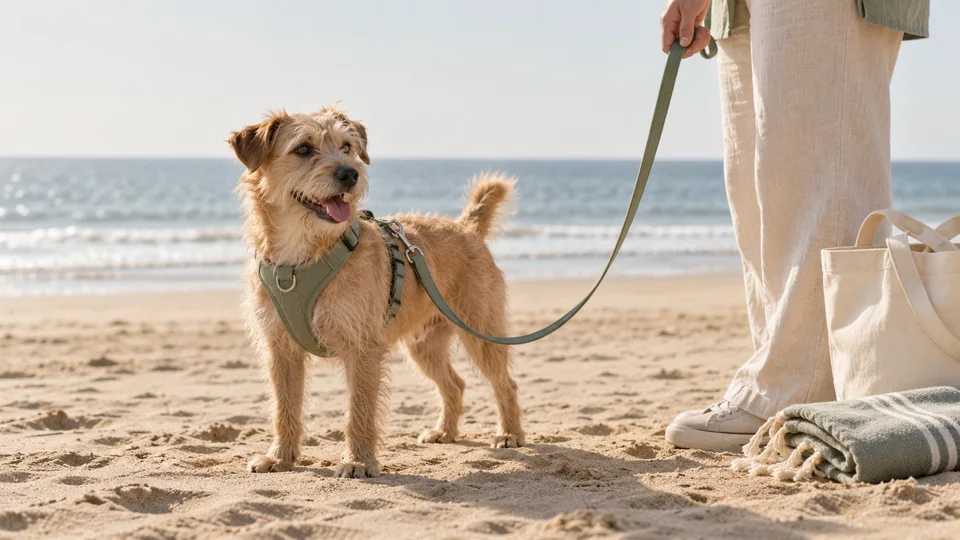
A dog beach day checklist should start with the exact beach's pet rules, followed by drinking water, a bowl, permitted leash equipment, shade, waste bags, and a way to manage wet gear. For a first visit, plan an easy arrival and a short outing you can end whenever your dog has had enough.
You do not need to fit swimming, a long walk, and a picnic into the same afternoon. A sniff along an allowed stretch of sand may be the whole visit. Start with that possibility, and pack so going home is as straightforward as arriving.
Confirm the entrance, date, and section of beach
Find the beach operator's current pet information before checking the driving route. Read the restrictions for the named entrance and stretch of shore, including seasonal closures, permitted hours, and leash requirements. Save the page and a map you can use without a reliable signal.
Cape Cod National Seashore is one example of why this matters: its pet guidance distinguishes areas where leashed pets may go from seasonal restrictions and wildlife closures. A nearby town beach can have different rules. Treat that as a reason to check your own destination, rather than borrowing another beach's policy.
Choose a second plan nearby that also permits dogs. If the entrance notice differs from what you saved, follow the current notice or ask staff. A full parking lot or a closed section is easier to handle when the outing does not depend on reaching one particular patch of sand.
Source: National Park Service: Pets at Cape Cod National Seashore
Pack the bag in the order you will use it
Think through the walk from the car. The leash should be ready before a door opens. Waste bags and water need to be reachable before you spread out anything else. Keep your phone and keys in a closed pocket so you are not searching the sand for them later.
Give the return trip its own small kit: an absorbent towel, a separate container or bag for damp items, and access to fresh water for rinsing. Leave a dry towel aside instead of using every towel as a beach blanket. Keep drinking water separate from the water you use for cleanup.
Use the checklist below as a packing prompt, then add anything your dog needs for their usual care. There is no single water quantity or visit length that suits every dog and every forecast. If you cannot provide the basics for the conditions, change the plan before setting off.
| Moment | Have ready |
|---|---|
| Leaving the car | Familiar leash equipment, waste bags, and the saved access information. |
| Settling on the beach | Drinking water, a bowl, and an appropriate shade arrangement. |
| Moving or taking a break | A bag you can close and carry while keeping control of the dog. |
| Returning home | A clean towel, rinse water or a confirmed rinse point, and separate storage for wet gear. |
Pause at the entrance before choosing a spot
Look at the real beach before unpacking. Is the permitted area crowded? Is there room to walk past other dogs without threading through a picnic? Where is the nearest clear route back? Choose a place for the visit you are actually having, rather than the empty scene you imagined at home.
Chewy's veterinarian-reviewed beach guide advises assessing crowds, debris, and surf conditions, and keeping a dog on leash while looking around. Check posted warnings and ask beach staff what local flags mean. Do not assume a color carries the same instructions everywhere.
Stay with a simple arrival routine: walk to a suitable allowed area, offer a pause, and see whether your dog can settle. If the beach feels too busy, a brief look from an allowed path may be enough. You can leave without first unpacking the blanket.
Source: Chewy: Tips for Taking Your Dog to the Beach, reviewed by Dr. Barri J. Morrison
Let a shore walk be enough
Keep a first visit flexible. Your dog may be curious about dry seaweed but reluctant to approach the moving water. Give them space from the shoreline and other beach users. A photograph does not require a closer encounter with a wave.
Swimming is a separate activity that calls for its own preparation, suitable conditions, and equipment. Being at a dog-permitted beach does not establish that the water is suitable for your dog. Stay out when warnings or conditions make the choice uncertain, and never pull a reluctant dog into the surf.
Before the trip, check the harness and leash together on a familiar walk. If you add a weather layer for the journey, make sure its opening allows access to the intended leash attachment. Clip the leash to equipment designed for that job, following the maker's instructions.
Keep the rest stop easy to move
Set out only what you need. Keep the walkway clear, close food containers, and put loose bags where the wind cannot carry them away. Decide who watches the dog before anyone walks off to buy a drink or collect equipment. Your resting place should remain easy to pack up.
Offer fresh drinking water and keep your dog from using seawater as a drink. Chewy's guide specifically recommends fresh water and a rinse after exposure to salt water. Put the bowl where you can keep track of it rather than assuming an unattended bowl will stay clean.
Reassess clothing when the activity changes. The layer that made sense during a breezy journey may not suit resting in a different spot. Check the individual dog and the current conditions; a cute outfit is not a reason to keep a layer on.
Source: Chewy: Tips for Taking Your Dog to the Beach, reviewed by Dr. Barri J. Morrison
Leave the sand at a planned stopping point
Before loading the car, use your return kit in a place where dogs and rinsing are allowed. Remove loose sand gently, rinse salt from exposed fur and paws with fresh water, and dry your dog. Do not use a drinking fountain or public fixture for washing unless it is intended for that use.
Keep damp clothing and sandy towels away from the remaining clean items. A temporary bag is useful for transport, but unpack it when you get home. Follow each garment's care instructions rather than assuming all beach gear can go through the same wash.
Finish by noting one practical improvement: a closer permitted entrance, a less awkward bag, or a quieter time confirmed by the operator. The successful first visit may be the one that taught you how your dog prefers to spend time beside the sea.
Frequently asked questions
- What should I bring for my dog’s first beach day?
- Start with the beach’s current pet rules, familiar permitted leash equipment, drinking water, a bowl, shade, waste bags, towels, and a way to separate wet gear. Add your dog’s usual care items and plan a straightforward return.
- Does my dog need to swim to enjoy the beach?
- No. An allowed walk or a quiet rest away from the surf can be the entire outing. Swimming needs separate preparation and suitable conditions. Let a reluctant dog remain on shore rather than pulling them toward the water.
- Can dogs go to any beach outside the summer season?
- No. Pet access depends on the beach, section, date, and current restrictions. Wildlife closures and local rules may still apply. Check the official destination page and entrance notices before taking your dog onto the sand.