
Does My Dog Need a Coat? Start With the Dog, Not the Outfit
Not every dog needs a coat. Learn when a sweater or raincoat may help, when to leave it off, and how to check your dog's comfort and fit.
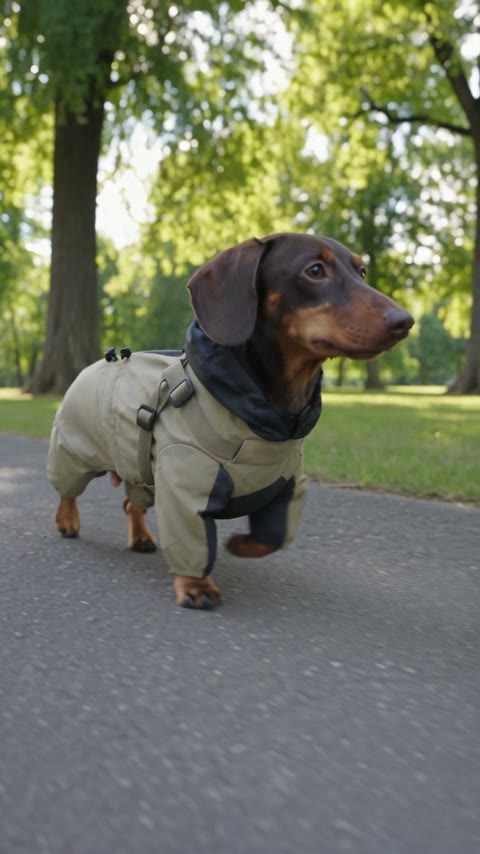
There is a question worth asking before buying any dog coat: does my dog need one today?
It is easy to answer from our side of the leash. We feel cold, we see rain, or we find a jacket we love. But the dog wearing it has a coat of its own, a particular body shape and a particular tolerance for the weather. The useful answer changes from dog to dog, and sometimes from one walk to the next.
Fur helps, but it is not the whole story
A healthy, thick coat can insulate a dog well. A short-haired, lean or recently clipped dog has less of that natural protection. Small dogs, puppies, older dogs and dogs with some health conditions may also be less comfortable in the cold. There is no single outdoor temperature at which every dog needs a jacket. Wind, rain, activity level and the length of the walk matter too.
Think about the dog in front of you. Does she head out happily and keep moving? Or does she shiver, lift her paws, slow down or want to turn back? A coat may make a chilly walk more comfortable, but it does not make a long walk in severe weather safe. If your dog seems unwell or struggles with temperature changes, ask your veterinarian what is appropriate for her.
A sweater and a raincoat solve different problems
On a dry, cool day, a light sweater may be enough for a dog who benefits from extra warmth. In rain, a sweater that gets wet can become uncomfortable; a well-fitting raincoat may be more useful. A waterproof layer can also help a dog who dislikes walking in the rain, even if warmth is not the main issue.
The choice can also be no clothing. A dog with a dense coat on a mild day may be perfectly comfortable without another layer. In warm weather, adding clothing can make it harder for a dog to cool down. Watch for heavy panting, drooling or a change in behavior, and remove the garment if your dog appears too warm or distressed.
Fit is part of the decision
Even the right type of coat is wrong if it changes the way your dog moves. Measure the chest, back and neck, then compare those numbers with the chart for the exact garment.
Try a new coat on indoors first. Let your dog walk, turn, sit and lie down. Check the chest, armpits, leg openings and the space around the tail and toileting area. For a four-leg raincoat, watch each cuff through a normal stride. If the fabric pulls, rubs or twists, the coat is not a good fit, however good it looks in a photograph.
Then pay attention to your dog's response. Some dogs need a little time to investigate a garment; others remain uncomfortable. Do not force a dog to wear something that makes them freeze, struggle or move unnaturally. A coat should help with the walk, not become the hardest part of it.
Our dog measuring guide walks through the three measurements
A simple check before you go out
Before reaching for a jacket, ask:
- What is the weather actually like—cold, wet, windy, or mild?
- How does this dog usually handle that weather?
- Will this layer solve a real problem without limiting movement or causing overheating?
- Can I take it off quickly if the dog is uncomfortable?
On some mornings, the answer will be a warm layer. On others, it will be a raincoat. And on plenty of days, it will be nothing at all. Caring for a dog means being willing to make all three choices.
If rain is the issue, our guide to choosing a dog raincoat explains coverage, harness access and fit for everyday walks.
Editorial note: Inspired by Sinnow's Douyin post asking whether dog clothes are necessary. This article is original CatMellow editorial content and does not use the creator's personal account as medical evidence.